
The arrival of summer in California marks the peak season for outdoor gatherings, ranging from massive multi-day music festivals to upscale corporate retreats and high-profile private weddings. While event planners focus heavily on curation, logistics, and hospitality, hospitality and venue managers know that the underlying foundation of any successful gathering is safety. Managing large crowds, open-air venues, and alcohol consumption introduces distinct operational risks. Implementing a comprehensive, proactive event security strategy is essential to protect attendees, safeguard property, and preserve your organizational reputation.
Crowd dynamics can shift rapidly, transforming an orderly gathering into a chaotic situation if not properly managed. According to industry analyses by the Event Safety Alliance, proactive crowd control management is the single most effective tool for preventing bottlenecks, gate-crashing, and medical emergencies at large-scale venues. Achieving this level of operational control requires a deliberate staffing model comprised of trained, Bureau of Security and Investigative Services (BSIS) certified professionals who understand how to balance customer service with firm security enforcement.
Every venue presents unique geographical and structural layout challenges. An open-air festival field requires an entirely different security perimeter than a historic indoor ballroom. Consequently, a cookie-cutter approach to security deployment is a recipe for failure. A sophisticated security partner begins with a comprehensive site assessment weeks before the event kicks off, mapping out vulnerabilities, structural bottlenecks, and emergency egress routes to maximize the effectiveness of every guard on the ground.
Essential Dimensions of Modern Event Security Staffing
To successfully execute a summer gathering, event organizers and venue coordinators must address several operational vectors simultaneously. A well-rounded security deployment focuses on prevention, visibility, and rapid response capability.
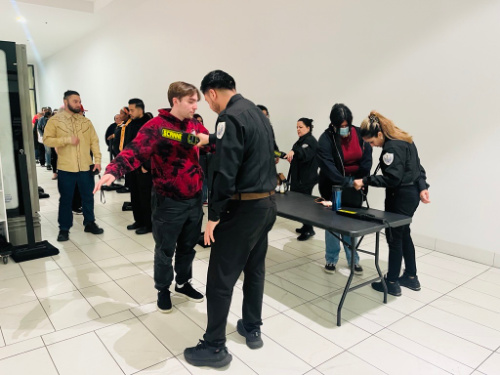
- Access Control and Perimeter Integrity: Establishing clear, single-point entry structures equipped with bag checks, metal detection, or credential scanning to completely prevent unauthorized access or the introduction of prohibited items.
- Visible Deterrence and Crowd Monitoring: Positioning uniformed security personnel at high-traffic zones, such as bar areas, main stages, and VIP lounges, to actively deter disruptive behavior and monitor for escalating tension.
- De-escalation and Crisis Management: Utilizing guards specifically trained in verbal de-escalation techniques to defuse altercations quietly and professionally, minimizing disruptions to the broader guest experience.
- Emergency Medical and Evacuation Coordination: Creating a direct communication link between the on-site security command post and local first responders, ensuring immediate action during medical or weather-related emergencies.
Compliance, Liability, and the Role of California BSIS Guard Staffing
Operating an event in California carries strict legal responsibilities regarding the use of private security personnel. Under California law, any individual performing security functions must be registered with the BSIS and carry a valid “Guard Card.” Utilizing untrained or unregistered internal staff to handle crowd control or security duties introduces immense civil liability for both the event planner and the property owner. In the event of an incident, regulatory agencies and insurance providers will scrutinize the credentials of your security team.
Furthermore, security guards are often the first and last point of contact for your guests. Therefore, their demeanor reflects directly on your brand. Professional security personnel serve as an extension of your hospitality team. They guide lost attendees, assist individuals with mobility challenges, and maintain order with a polite, authoritative presence. This dual focus on rigorous safety enforcement and professional customer service transforms security from an insurance line-item into a premium operational asset.
By prioritizing strategic event security staffing early in your planning cycle, you insulate your organization from liability, satisfy municipal permitting requirements, and create an environment where your guests can focus entirely on enjoying the experience.